Golf
How to Stop Dwelling on Bad Shots in Golf
Do you get stuck thinking about past mistakes on the golf course? Learn how to let go of bad shots, regain your focus and play more consistently.
By Evalotta Eriksson · Published 14 January 2026 · Read in Swedish
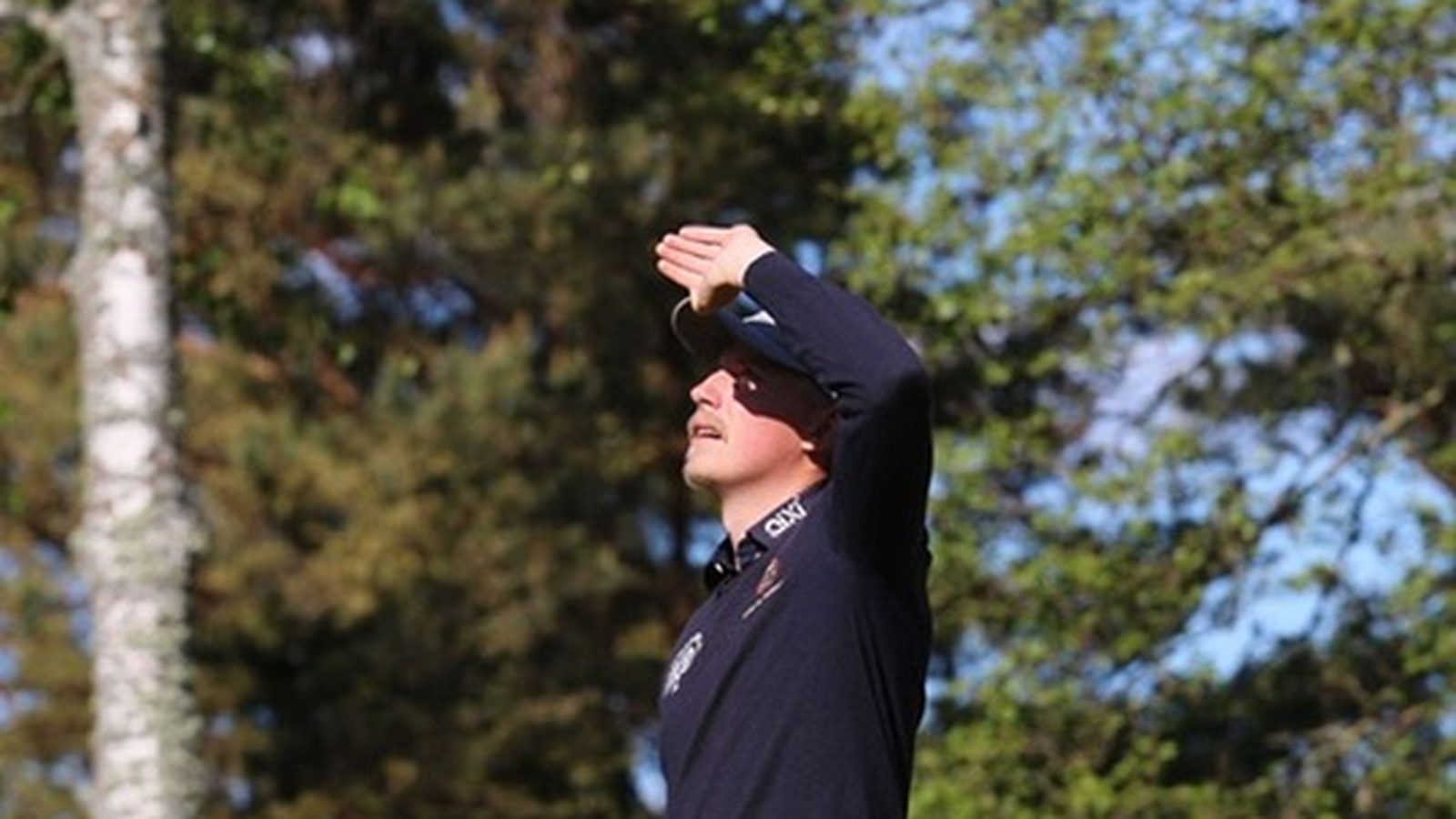
Have you ever hit a bad shot and then let it affect the next several holes?
You are not alone. Many golfers lose more strokes by dwelling on mistakes than through the mistake itself.
Getting stuck thinking about what has already happened makes it harder to stay present for the next shot. The key is not to avoid mistakes – but to learn how to handle them.
Why do we dwell on bad shots?
Golf is a sport that gives you plenty of time to think between shots.
After a mistake, it is easy to start analysing:
- What did I do wrong?
- Why does this always happen to me?
- Now the round is ruined.
The longer you stay with those thoughts, the harder it becomes to focus on the next task.
How does dwelling on mistakes affect your game?
When your focus is on past mistakes, it affects your ability to:
- Make good decisions
- Stick to your routine
- Stay present
- Maintain your confidence
- Play your own game
A bad shot does not have to lead to a bad hole. But dwelling on it increases the risk that one mistake will be followed by several more.
5 strategies for letting go of a bad shot
1. Accept that mistakes are part of golf
Even the world's best players hit bad shots.
Perfection is not the goal – the ability to move on is.
2. Give yourself a limited time to react
Allow yourself to feel frustrated for 20–30 seconds.
When that time is up, consciously shift your focus to the next task.
3. Ask a better question
Instead of asking:
"Why did I do that?"
Ask:
"What do I need to do now?"
4. Use a reset routine
Create a simple routine between shots. For example:
- Take a deep breath
- Stand up straight
- Look up towards your next target
- Repeat a cue word, such as "next"
5. Focus on the process
You cannot change the previous shot. You can influence:
- Your next decision
- Your routine
- Your attitude
- Your focus
How do you practise letting go of mistakes?
Mental training works in the same way as technical training – it requires regular practice.
After each round, you can reflect on:
- How did I react to mistakes?
- How quickly did I regain my focus?
- What do I want to do differently next time?
The more aware you become of your reactions, the easier it becomes to change them.
Frequently asked questions about dwelling on bad shots
Is it normal to dwell on mistakes in golf? Yes. Most golfers experience this sometimes, especially during competition or when expectations are high.
How quickly should you let go of a bad shot? There is no exact time, but the goal is to be mentally ready when you start preparing for the next shot.
Can practice help you get better at handling mistakes? Yes. The ability to accept mistakes and move on is a mental skill that can be developed over time.
Next steps
Would you like practical tools to handle mistakes, strengthen your focus and build a more sustainable mental game?
In Play with FAITH Level 1, you get exercises and routines that help you perform more consistently – both in practice and in competition. If you want to go deeper, you can continue with Play with FAITH Level 2.
Explore more articles in the Knowledge Bank or read more in the Focus and Concentration category.
Frequently asked questions
Is it normal to dwell on mistakes in golf?
Yes. Most golfers experience this sometimes, especially during competition or when expectations are high.
How quickly should you let go of a bad shot?
There is no exact time, but the goal is to be mentally ready when you start preparing for the next shot.
Can practice help you get better at handling mistakes?
Yes. The ability to accept mistakes and move on is a mental skill that can be developed over time.