Golf
What Is Mental Training in Golf?
Mental training in golf is about developing the ability to manage thoughts, emotions and focus before, during and after a round. Just as you practise your technique, you can train your mental game to perform more consistently – whether you are playing in a competition or a practice round.
By Evalotta Eriksson · Published 3 January 2026 · Read in Swedish
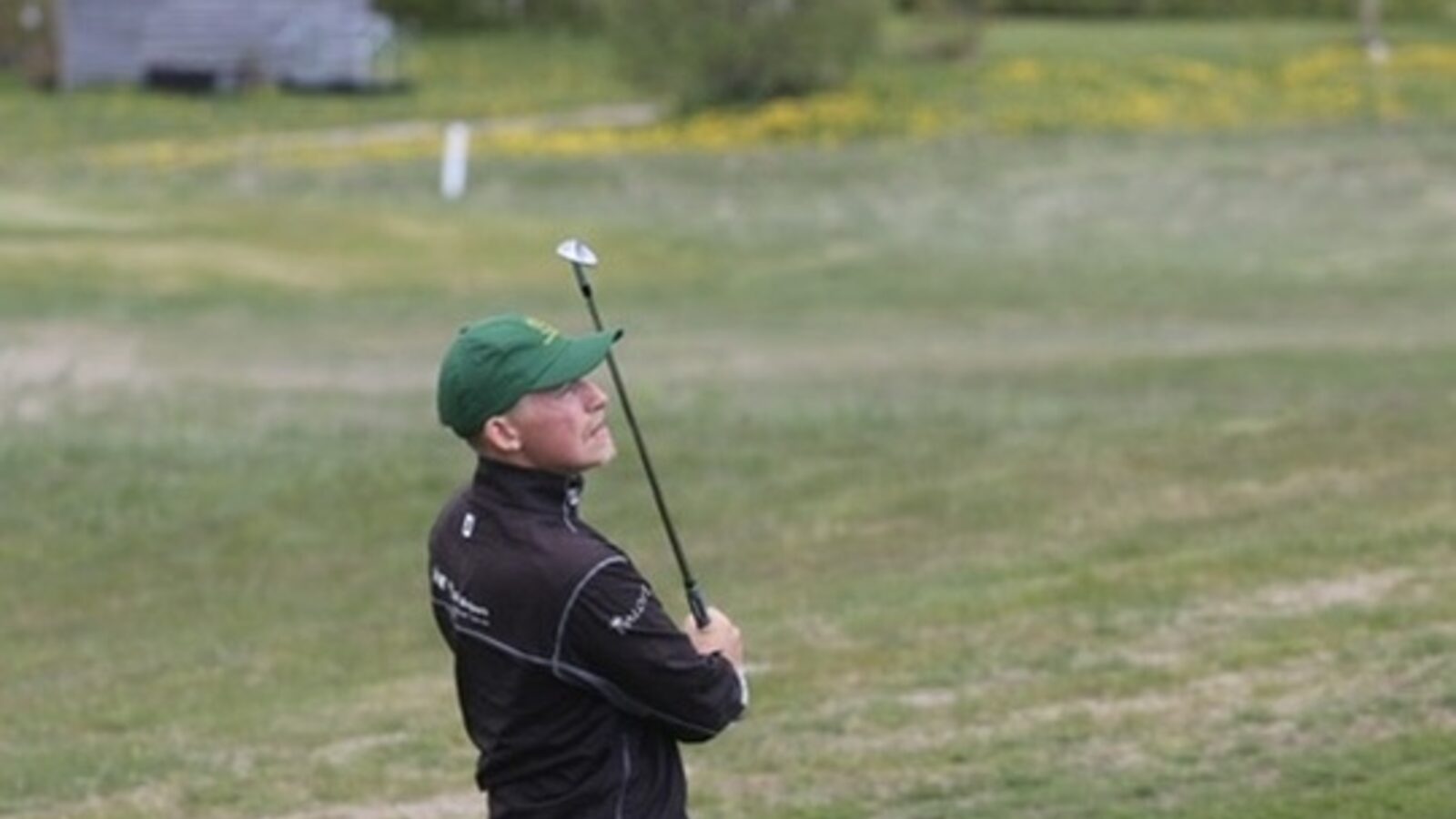
Mental training in golf is about developing the ability to manage thoughts, emotions and focus before, during and after a round. Just as you work on your technique, fitness and swing, you can train your mental game to perform more consistently – whether you are playing in a competition or a practice round.
Why is mental training important in golf?
Golf is one of the few sports where there is a long interval between moments of performance. Between each shot, there is room for thoughts, emotions and self-doubt to influence your next decision.
Many golfers find that they play better in practice than in competition. Often, this is not down to technique, but to how they handle pressure, expectations and mistakes.
Mental training helps you:
- Maintain focus throughout the round
- Manage nerves before a competition
- Let go of bad shots more quickly
- Build more lasting self-confidence
- Make better decisions under pressure
- Perform more consistently over time
What do you work on in mental training?
Focus and presence
The ability to direct your attention towards the right things – here and now – rather than getting stuck on past mistakes or future results.
Self-confidence
Building trust in your ability, even when your game does not feel perfect.
Emotional regulation
Understanding and managing nerves, frustration and performance pressure.
Routines
Creating clear routines before, during and after shots to increase confidence and consistency.
Recovery
Being able to put the round behind you, learn from it and recover mentally before the next challenge.
How do professional golfers train their mental game?
Most elite players actively work on their mental game.
This can involve:
- Having a clear pre-shot routine
- Practising visualisation
- Working on breathing and presence
- Reflecting after rounds
- Setting process goals rather than outcome goals
- Separating who you are from how you perform
Mental training is not about thinking positively all the time. It is about developing strategies to handle both good and bad days.
Can mental training lower your handicap?
Mental training does not change your swing technique, but it helps you get more out of the technique you already have.
When you learn to manage pressure, make better decisions and maintain focus throughout the round, you reduce the number of unnecessary mistakes.
For many golfers, mental skills are precisely what determines whether they can match their practice performance in competition.
Three simple exercises to start with
1. Reflect after the round
Write down:
- What worked well?
- What did I learn?
- What do I want to take into my next round?
2. Practise letting go of mistakes
Give yourself 30 seconds to react to a bad shot. Then direct your attention towards the next task.
3. Create a simple pre-shot routine
Use the same preparation before every shot to build confidence and focus.
Next steps
Would you like to develop your mental game with practical exercises and tools?
In Play with FAITH, you work on focus, self-confidence, routines and sustainable performance – developed specifically for golfers. Explore more articles in the Knowledge Hub for a deeper understanding of mental training, competition psychology and sustainable performance.
Frequently asked questions
How often should you do mental training?
Just as with technique, regular practice delivers the best results. Short exercises for a few minutes a day can make a big difference over time.
Is mental training only for competitive players?
No. All golfers can benefit from mental training, regardless of their handicap or level of ambition.
How long does it take to notice results?
Some people experience an immediate effect, while others notice a difference after a few weeks of regular practice.