Personal development
How do you manage stress?
Learn how to manage stress with practical strategies for recovery, focus and balance in everyday life.
By Evalotta Eriksson · Published 27 February 2026 · Read in Swedish
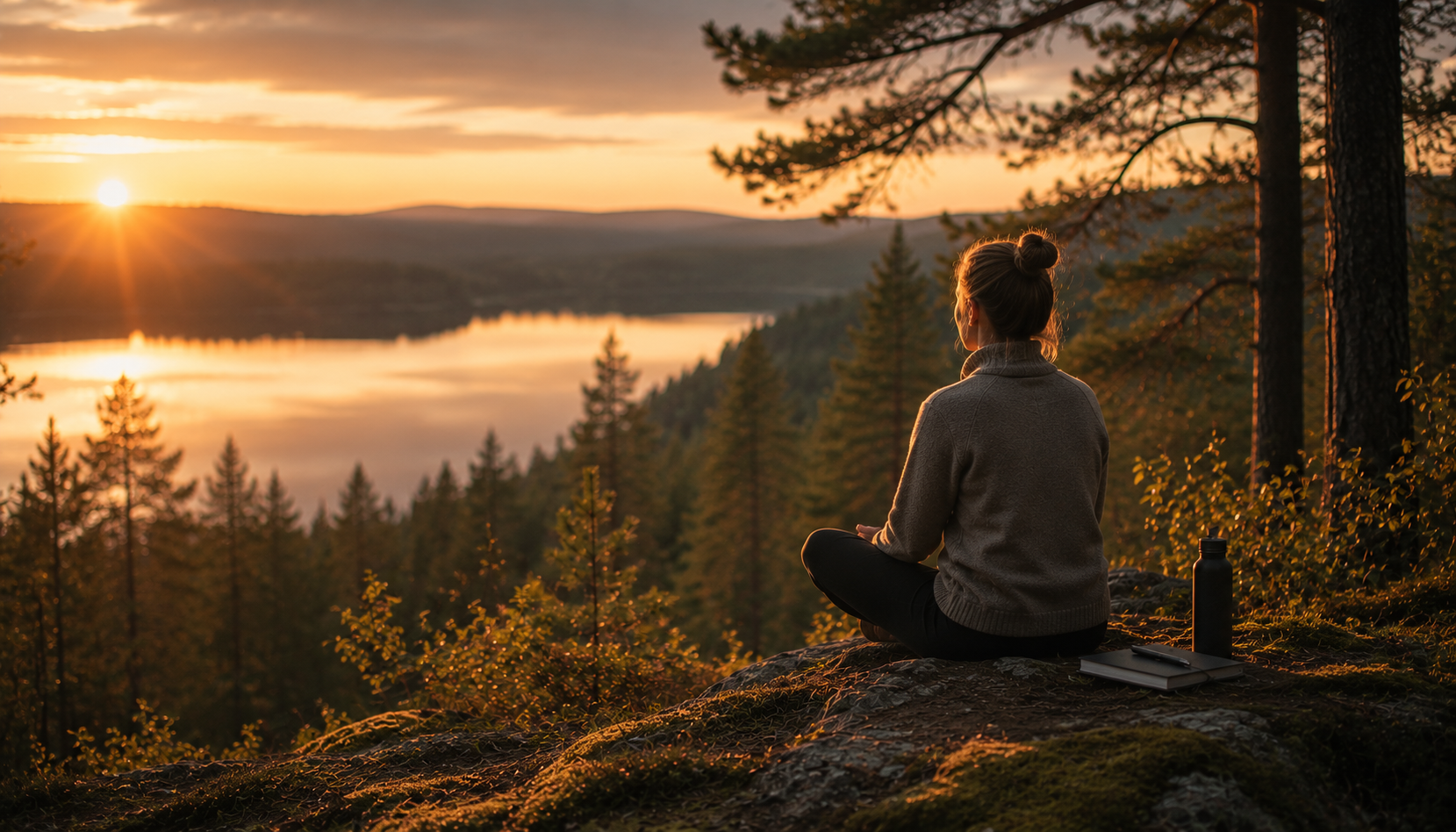
Stress is a natural response when we face challenges or high demands. Over short periods, stress can help us focus and perform, but when it persists without sufficient recovery, it can affect both our physical and mental health.
Managing stress is not about removing every demand from life. It is about creating a balance between activity and recovery.
What is stress?
Stress is the body's way of preparing to handle a challenge.
When we experience stress, several bodily functions are activated:
- Heart rate increases
- Breathing becomes faster
- Muscles tense up
- Concentration is directed towards the perceived threat
Problems arise when the body does not have the opportunity to recover.
Common signs of stress
Stress can manifest in many different ways. Common signs include:
- Fatigue
- Difficulty sleeping
- Difficulty concentrating
- Irritability
- Headaches
- Muscle tension
- Worry
- Difficulty relaxing
The earlier you notice these signs, the easier it becomes to make changes.
10 strategies for managing stress
1. Prioritise recovery
Recovery is essential for sustainable performance.
2. Focus on what you can influence
Put your energy into what is within your control.
3. Plan your day
Clear priorities reduce the feeling of chaos.
4. Take regular breaks
Short breaks help the brain recover.
5. Get moving
Physical activity can help reduce stress and improve well-being.
6. Practise mindfulness
Mindfulness helps you direct your attention to the present moment.
7. Get enough sleep
Sleep is one of the most important factors in recovery.
8. Talk to someone
Sharing your thoughts with others can reduce feelings of loneliness.
9. Set realistic expectations
No one can perform at their best all the time.
10. Reflect regularly
Consider what gives you energy and what drains it.
When should you seek help?
If stress persists for an extended period or affects your everyday life, sleep or health, it may be wise to seek support from healthcare services or other professional help.
Asking for help is an important step towards recovery.
Frequently asked questions about stress
Is all stress bad? No. Short-term stress is a natural part of life and can help us perform. However, prolonged stress without recovery can be harmful.
How do I know if I am too stressed? If you feel tired for an extended period, find it difficult to relax or notice that stress is affecting your work or personal life, these may be signs that you need to change your situation.
How long does it take to recover from stress? It varies from person to person. Recovery is influenced by factors such as how long the stress has persisted and what changes are made in everyday life.
Next steps
Would you like to develop strategies for managing stress, strengthen your self-leadership and create a more sustainable everyday life?
Growmaster's programme for individuals gives you practical tools to create a balance between performance and recovery. Read more about the Growmaster method and explore more articles in the Knowledge Base under the Stress and recovery category.
Further reading:
Frequently asked questions
Is all stress bad?
No. Short-term stress is a natural part of life and can help us perform. However, prolonged stress without recovery can be harmful.
How do I know if I am too stressed?
If you feel tired for an extended period, find it difficult to relax or notice that stress is affecting your work or personal life, these may be signs that you need to change your situation.
How long does it take to recover from stress?
It varies from person to person. Recovery is influenced by factors such as how long the stress has persisted and what changes are made in everyday life.