Sport
How do you use visualization in sport?
Visualization in sport involves mentally rehearsing situations, movements and behaviors. Here are seven steps, a simple exercise and practical advice on visualization before competition, when you feel nervous and after mistakes.
By Evalotta Eriksson · Published 6 August 2026 · Read in Swedish
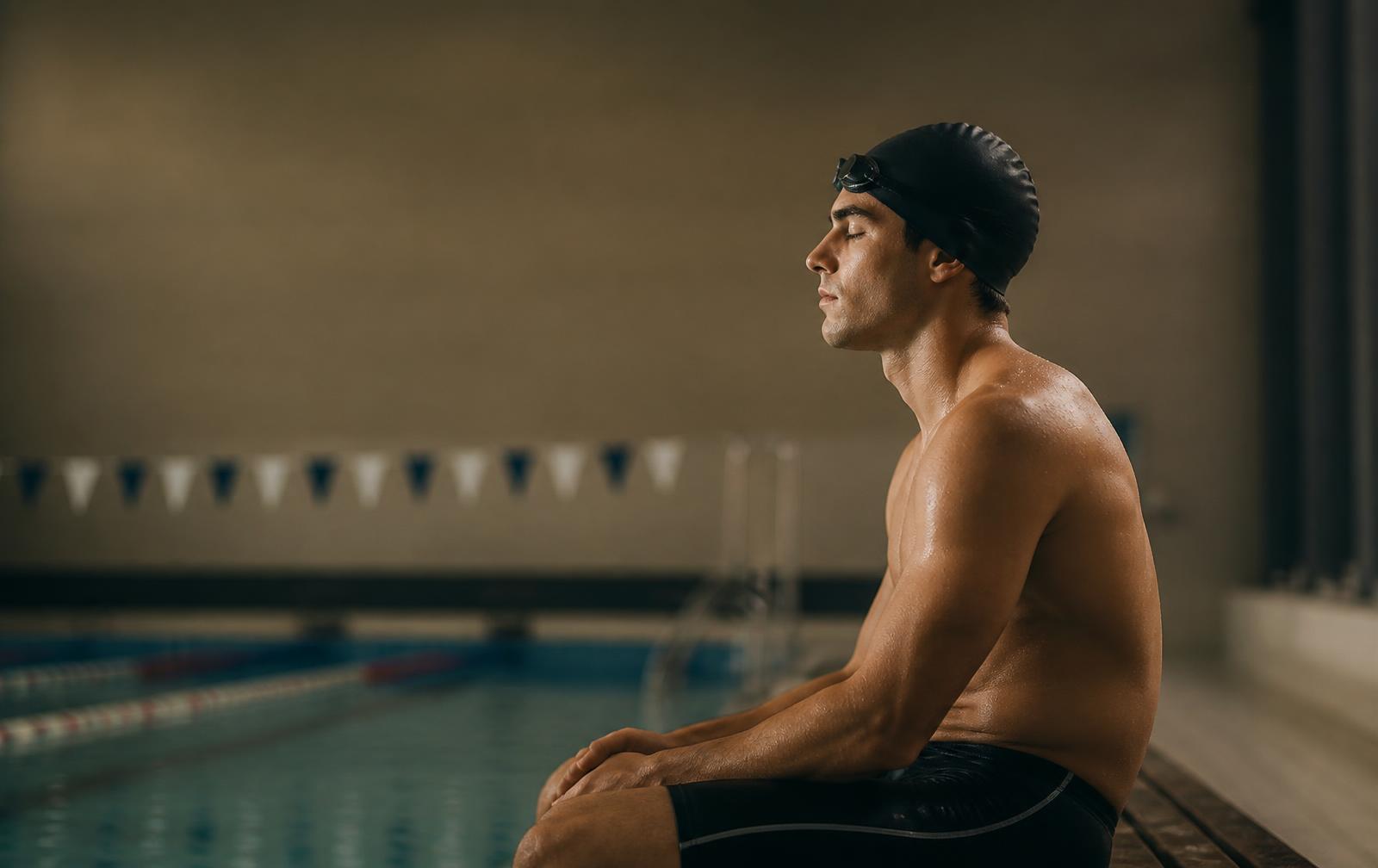
You do not always need to perform a movement physically to work on how you want to execute it.
In mental training, visualization is used to imagine situations, movements and behaviors before they actually happen.
A golfer can imagine the ball's flight before a shot. A football player can mentally rehearse a penalty kick. A runner can imagine the start of a race.
But visualization is not just about picturing perfect performances. Used well, it can help you prepare for how you want to act in different situations—even when something does not go to plan.
What is visualization in sport?
Visualization means mentally imagining a situation without it actually happening at that moment.
Despite the name, the experience does not have to be purely visual. You can imagine:
- What you see
- What you hear
- How a movement feels
- The pace of the movement
- Your body's position
- The environment around you
- Your breathing
- How you act in the situation
This is why terms such as mental rehearsal and imagery training are also used.
Why do athletes use visualization?
Athletes can use visualization for several different purposes. For example, to:
- Prepare for a movement
- Rehearse a competitive situation
- Direct their focus
- Prepare for pressure
- Practice mental routines
- Imagine how to handle a mistake
- Prepare for a comeback
- Review a strategy
Visualization should not replace physical training. Instead, it complements other forms of mental training.
7 steps to practice visualization
1. Start with a simple situation
Do not try to visualize an entire competition the first time. Choose one specific action.
This could be:
- A golf shot
- A serve
- A shot on goal
- A start
- A lift
- A specific movement
The clearer the situation, the easier it becomes to imagine.
2. Decide what you want to practice
Do not visualize just for the sake of visualization.
Ask: what do I want to prepare for?
This could be technique, focus, confidence or how you want to respond under pressure.
A clear purpose makes the training more concrete.
3. Use several senses
Do not just try to create an image. Also imagine:
- Sounds
- Movement
- Physical sensations
- Pace
- The environment
The more realistic the situation feels, the easier it becomes to connect it to the actual performance.
4. Imagine the process—not just the result
A common mistake is to visualize only the end result, such as standing with a medal.
That can be motivating, but it says very little about what you need to do.
Instead, visualize:
- The preparation
- The routine
- The movement
- The decision
- The focus
- The execution
The process is what you can actually influence.
5. Visualize difficult situations too
A competition will rarely go exactly to plan. That is why you can also imagine:
- A mistake
- Nervousness
- A poor start
- An unexpected situation
- Being behind
- Losing focus
But the visualization should not end there. Next, imagine handling the situation in the way you want.
This does not train perfection. It trains your response—the same principle as when you practice handling setbacks.
6. Make the visualization realistic
If you are going to compete at a specific venue or course, you can use details from that environment.
For example, imagine:
- What the place looks like
- The sounds
- The surface
- The pace
- The competitive situation
The closer the training is to the real situation, the clearer your preparation becomes. This also makes it easier to maintain focus when the environment is at its most demanding.
7. Practice regularly
Like other mental skills, visualization becomes easier with repetition.
You do not need to start with long sessions. Three to five minutes may be enough. What matters is that the training has a clear purpose.
A simple visualization exercise
Choose an action from your sport.
- Pause – sit or stand comfortably and take a few calm breaths.
- Create the environment – imagine where you are. What do you see? What do you hear?
- Imagine the preparation – go through your usual routine.
- Imagine the execution – let the movement unfold at a realistic pace and focus on how it should feel.
- Finish – open your eyes and, if possible, try performing the action physically.
Should you visualize from a first-person or third-person perspective?
Both perspectives can be used.
First person. You see the situation as if through your own eyes. This can make it easier to imagine the environment and the experience of the performance itself.
Third person. You see yourself from the outside, as if in a film. This can sometimes be useful when you want to observe a movement or behavior.
Try both and see which perspective best suits the situation.
Visualization before competition
Before a competition, you can mentally rehearse:
- The start
- Your routines
- How you want to act
- Situations in which you tend to get nervous
- How you regain focus
- How you handle a mistake
- How you finish the competition
The goal is not to predict exactly what will happen. The goal is to be better prepared for how you want to act when you need to perform under pressure.
Visualization and nervousness
Visualization can also be used to imagine situations in which nervousness is likely to arise.
Instead of visualizing yourself feeling completely calm, you can imagine:
I am nervous—and I still carry out my routine.
This is more realistic. Mental strength does not mean that uncomfortable feelings have to disappear before you can perform. Read more about handling competition nerves and performance anxiety in sport.
Visualization after mistakes
Visualization does not have to be used only before a performance.
If you have found a particular situation difficult to handle, you can mentally review it later. Imagine the same situation again—but this time, practice the response you would have wanted to use.
For example, this could mean:
- Accepting the mistake
- Breathing
- Using a cue word
- Returning to your routine
- Directing your focus toward the next action
You are then using the experience as mental training. Cue words are closely connected to how you use self-talk in sport.
Visualization during injury
When full physical training is not possible, visualization can sometimes be used as a complement. You can mentally rehearse movements, competitive situations and routines.
But visualization should never be used as a substitute for rehabilitation or medical advice. Always follow the plan provided by the relevant healthcare professional. You can find more on the mental side in the article on how to cope mentally with an injury as an athlete.
Common mistakes
- Only visualizing perfect results. Also practice how you want to act when something goes wrong.
- Only seeing an image. Try to include sensations, movement, sounds and the environment.
- Visualizing without a purpose. Decide which skill or situation you are actually practicing.
- Making sessions too long. Short, focused sessions can be entirely sufficient.
- Believing that visualization replaces training. Mental rehearsal complements physical training.
Summary
Visualization in sport means mentally imagining situations, movements and behaviors before or after they happen in real life.
It is not just about seeing yourself succeed. Useful visualization focuses on the process: how you prepare, what you direct your attention toward and how you want to act.
Also practice situations in which something goes wrong. When visualization is used regularly alongside physical training, it can become a practical tool in your mental preparation—and a source of support when you want to build confidence as an athlete.
Frequently asked questions
What is visualization in sport?
Visualization means that an athlete mentally imagines a movement, situation or performance without it actually happening at that moment. Several senses can be used, not just sight.
How do you practice visualization?
Start with a specific action, create a clear mental image of the environment and then imagine the preparation and execution as realistically as possible.
How long should you visualize for?
There is no exact duration that suits everyone. Try starting with a few minutes with a clear purpose and develop your practice from there.
Should you visualize everything going perfectly?
No. You can also visualize difficult situations and practice how you want to respond when something does not go to plan.
When should you use visualization?
Visualization can be used before training, before competition, between performances or afterward to mentally rehearse a situation and prepare a better response.